
Ancient Origins: Where It All Began
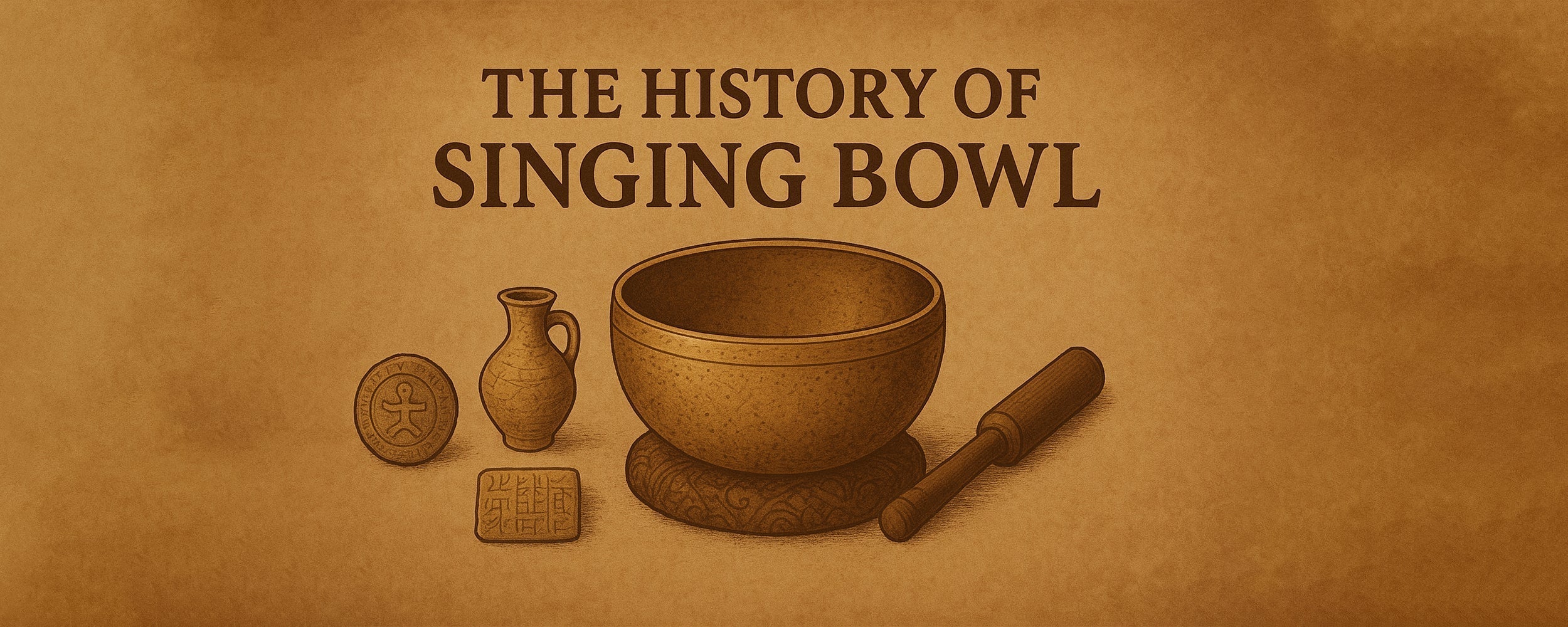
Long before modern wellness trends, singing bowls were already woven into the daily and spiritual lives of people in the Himalayas. Many scholars believe these bowls date back over 2,000 years and likely originated in regions such as Tibet, Nepal, Bhutan, and northern India, which are known for their strong spiritual traditions and skilled metalwork. Singing Bowl is also widely known as Himalayan bowl, Tibetan Bowl. The earliest singing bowls were made from a blend of seven metals, each representing a celestial body known at the time: the Sun, Moon, Mercury, Venus, Mars, Jupiter, and Saturn. This combination was deeply symbolic and reflected the spiritual beliefs and cosmic understanding of the people who crafted them.
More than just a Bowl
In the Himalayan region, singing bowls have long been more than simple objects. Some were crafted specifically for spiritual practices, while others began as everyday household items. Over time, people discovered the unique, calming tones these bowls produced, and they gradually became integral to religious life. Monks incorporated them into meditation and prayer sessions. In villages, local healers used the bowls' sounds to aid in emotional and physical healing. Families employed them in home rituals to dispel negative energy and invite peace into their surroundings. Through these practices, the singing bowl evolved into a symbol of healing, focus, and spiritual balance.
Additionally, singing bowls have been used in traditional funeral rites and ancestor worship among Tibetan Buddhist spiritual leaders and monks. Their resonant tones are believed to purify the environment and create a sacred space, aiding in the transition and honoring of the departed.

How Did Singing Bowls Spread Globally?
Singing bowls began to reach a global audience in the 20th century, especially during the 1960s and 70s. This was a time when interest in Eastern philosophy, meditation, and alternative healing was rapidly growing in the West. During the so-called "hippie era," Nepal became a popular stop along the overland route known as the Hippie Trail. Western travelers, spiritual seekers, and freethinkers flocked to Kathmandu, drawn by its peaceful atmosphere, rich spiritual culture, and openness to exploration. During their time in Nepal, many visitors were introduced to singing bowls through local rituals, healing sessions, and spiritual practices. Moved by the soothing sounds and the deep cultural meaning behind them, they began bringing the bowls back to their home countries, helping to spark global interest.
Over time, singing bowls found their way into yoga studios, wellness retreats, and holistic healing centers. The modern rise of mindfulness, sound therapy, and meditation apps has helped spread their use even further. Today, they are sold online, featured in workshops, and used in everything from sound baths to school classrooms. What started as a sacred tradition in the Himalayas is now a global symbol of peace and inner calm.
How Are They Used Differently in the West vs. Traditional Settings?
Traditional Use:
In Himalayan and Buddhist cultures, singing bowls have long been used in sacred contexts. Monks and spiritual practitioners use them during meditation, chanting, and rituals to mark the passage of time, focus the mind, or create spiritual space. Healers use them in energy work, and some families use them in home rituals for offerings, blessings, or protection. Their use is often deeply symbolic and guided by tradition passed down through generations.
Western Use:
In the West, singing bowls are mainly used for their soothing sound and calming effects. People use them in yoga classes, meditation sessions, therapy practices, and even during massages or sound baths. While some are aware of the bowls' spiritual background, many use them simply as tools for relaxation, stress relief, or creating a peaceful atmosphere. The focus is often more on wellness than on ritual or tradition.
In short, while traditional use centers around spirituality and sacred ceremony, Western use often leans more toward wellness and relaxation. Both are valid in their own way, but there is growing awareness about respecting and understanding the cultural roots of these tools.
Conclusion
From the sacred mountains of the Himalayas to modern wellness studios across the globe, the journey of the singing bowl is a powerful reminder of how sound can transcend time, culture, and borders. What began as a spiritual tool rooted in ancient tradition has found new life in the hands of people seeking calm, healing, and connection in today’s fast-paced world.
While the ways singing bowls are used may vary, their essence remains the same; they invite stillness, presence, and inner peace. As they continue to resonate around the world, it’s important to honor their cultural roots and the wisdom of the communities that created them. In doing so, we don’t just use a bowl; we carry forward a legacy of intention, mindfulness, and deep spiritual care.
Share:
7 metals used in singing bowl
How Singing Bowls Can Impact Your Body, Mind and Energy