
What is Tinghsa? Exploring their history, purpose and spiritual meaning
A single strike of two small cymbals can fill the air with a bright, ringing sound that instantly captures attention. That sound comes from the tingsha, a traditional Tibetan instrument used by monks and spiritual practitioners for centuries. You might have seen them in Buddhist rituals, sound healing sessions, or yoga classes where their pure tone marks the beginning or end of meditation. Though simple in appearance, the tingsha carries deep cultural meaning and continues to bridge the space between ancient ritual and modern mindfulness.
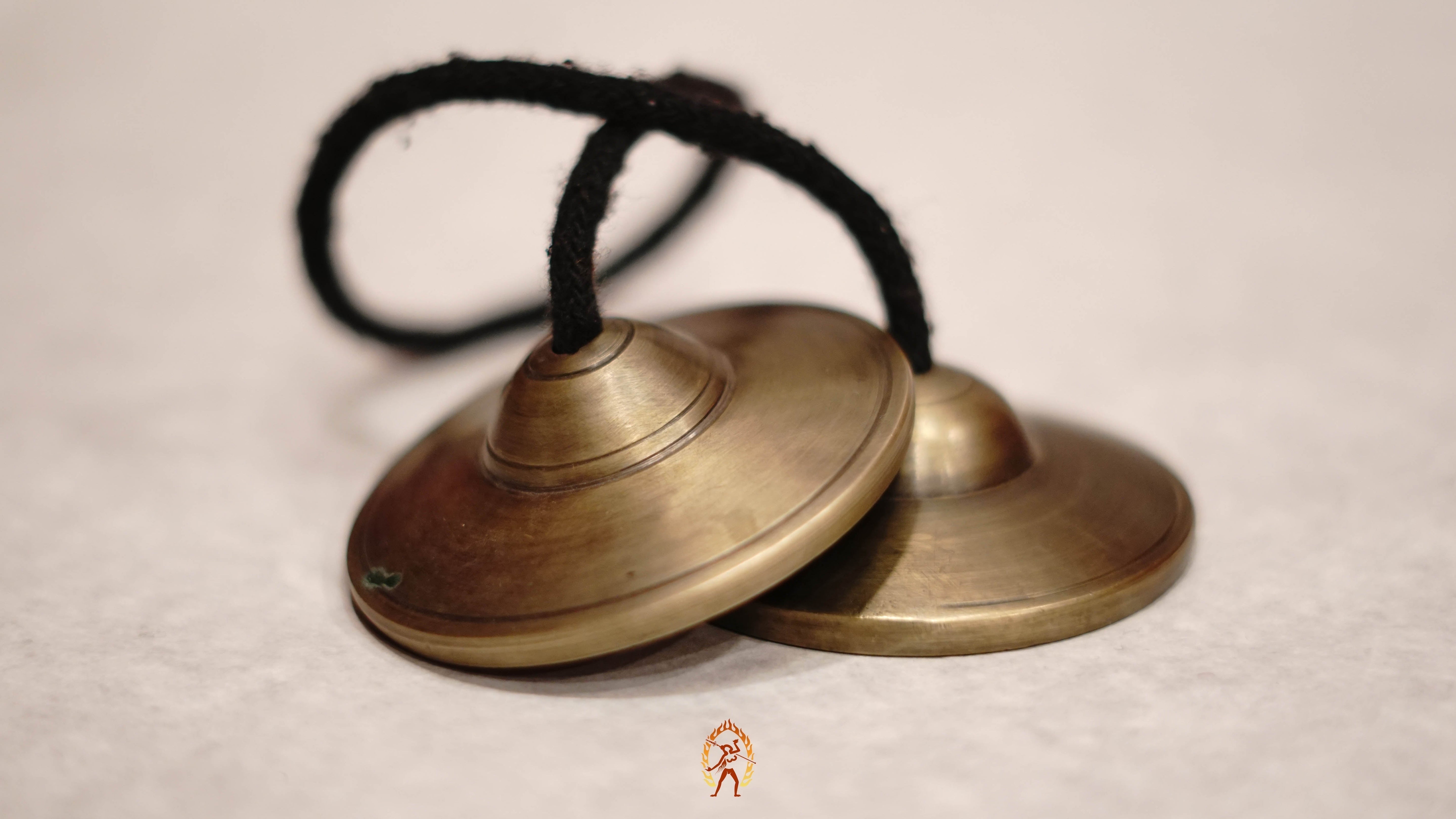
Tingsha, also known as ting-sha are pairs of small cymbals joined by a leather strap or chain. When struck together, they produce a clear, high-pitched tone that lingers in the air. Traditionally used by Tibetan Buddhist monks, their sound symbolizes awareness and spiritual awakening.
Craftsmanship and Materials of Tingsha Cymbals
The making of tingsha cymbals is a careful and spiritual process that has been practiced in Tibet and Nepal for centuries. Each pair is handmade by skilled artisans who follow traditional casting and tuning methods to ensure both beauty and purity of sound. These instruments are created not only for music but also for meditation, healing, and ritual use.
Authentic tingshas are made from a blend of sacred metals such as bronze, copper, and tin. In earlier times, craftsmen often used a special seven-metal alloy that included gold, silver, mercury, copper, iron, tin, and lead. Each of these metals was believed to represent a celestial body like the sun, moon, or planets, giving the tingsha a deeper spiritual significance. This unique mixture also produces the harmonic overtones that make the tingsha’s sound rich and resonant.
Once the metal mixture is ready, it is poured into molds to form two matching cymbals. After cooling, they are shaped, polished, and tuned so that both sides produce the same pitch. The precision in tuning gives the tingsha its signature clear and lasting tone.
Many tingshas feature engraved Buddhist symbols or mantras such as Om Mani Padme Hum or the Eight Auspicious Symbols. These carvings are believed to strengthen the spiritual vibration of the sound and bring blessings to the user. The two cymbals are finally joined with a leather strap or metal chain. Most tingshas measure between 2.5 and 4 inches in diameter and are quite thick compared to ordinary cymbals, which is why their tone is bright and long-lasting.
Purpose and Use of Tingsha
The purpose of tingsha cymbals extends far beyond their size. Their clear and resonant sound carries spiritual, emotional, and energetic significance, which is why they are used in so many different practices today.
In Tibetan Buddhist tradition, tingshas are used to mark the beginning and end of rituals, prayers, and meditation. The ringing sound is believed to bring focus, clear distractions, and signal the mind to enter a state of awareness. Within monasteries and temples, monks use tingshas to cleanse the energy of the space before ceremonies or pujas, inviting harmony and spiritual balance.
In modern times, their use has expanded into sound healing, aura cleansing, and wellness practices. The pure tone of tingsha cymbals is believed to break up stagnant or negative energy, making them popular tools for cleansing homes, altars, or meditation spaces. Many healers and practitioners use them during sound therapy sessions to restore vibrational balance in the body and mind. Their frequency helps in grounding energy and promoting relaxation.
Tingshas are also commonly used in yoga studios, meditation sessions, and mindfulness practices. The sound helps guide transitions between poses or meditation stages, reminding practitioners to stay present and connected to their breath. Beyond spiritual and healing use, tingshas have also found a place in music and art. Some modern musicians and sound artists include their tones in ambient tracks or spiritual music, appreciating the bright, pure sound that adds a meditative quality to their compositions.
Whether used in a temple or a yoga studio, the purpose of tingsha remains the same: to create harmony, clarity, and balance. Their sound cleanses spaces, centers the mind, and connects people to the energy of the present moment.
Conclusion
Tingsha cymbals may appear small, but their sound carries deep spiritual and energetic meaning. From ancient Tibetan monasteries to modern wellness centers, they continue to serve as powerful tools for meditation, healing, and space purification. Their clear tone helps cleanse negative energy, balance vibrations, and bring focus during rituals or personal practice. Whether used by monks in prayer, healers in sound therapy, or artists in music, the tingsha remains a timeless symbol of awareness and harmony.
Share:
Different types of sound healing instruments
Crystal bowl vs singing bowl